
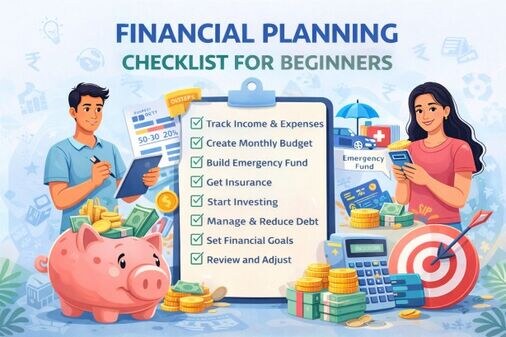
Starting your financial journey can feel overwhelming. Many beginners don’t know where to start, what to prioritize, or how to manage income properly. That’s why having a clear financial planning checklist is essential.
A well-structured financial planning checklist helps you organize your money, build savings, avoid debt, and create long-term wealth. Whether you are a student, salaried employee, or small business owner, following a systematic plan can make a huge difference.
1. Track Your Income and Expenses
The first step in any financial planning checklist is understanding your cash flow.
Ask yourself:
-
How much do I earn monthly?
-
Where does my money go?
-
Am I spending more than I earn?
Track expenses using budgeting apps or spreadsheets. Without knowing your spending pattern, proper financial planning is impossible.
2. Create a Monthly Budget
Budgeting is the backbone of a strong financial planning checklist. Divide your income into categories like:
-
Essentials (rent, groceries, bills)
-
Lifestyle expenses
-
Savings and investments
Using methods like the 50-30-20 rule can simplify budgeting for beginners. A monthly budget prevents unnecessary spending and improves money management.
3. Build an Emergency Fund
An emergency fund is a critical part of your financial planning checklist. Life is unpredictable—medical emergencies, job loss, or urgent repairs can happen anytime.
Experts recommend saving:
-
3–6 months of living expenses
Keep this fund in a savings account or liquid investment for easy access.
4. Get Proper Insurance Coverage
Insurance protects your financial stability. Any practical financial planning checklist must include:
-
Health insurance
-
Life insurance (term plan)
-
Vehicle insurance (if applicable)
Without insurance, one unexpected event can wipe out years of savings.
5. Start Investing Early
Saving money is good, but investing grows wealth. A beginner-friendly financial planning checklist should include starting investments as early as possible.
Consider:
-
Mutual funds (SIP)
-
Public Provident Fund (PPF)
-
National Pension System (NPS)
-
Index funds
Early investing benefits from compounding, which significantly increases long-term returns.
6. Manage and Reduce Debt
Debt management is a vital step in your financial planning checklist. High-interest loans and credit card dues can harm financial progress.
Tips:
-
Pay high-interest debt first
-
Avoid unnecessary loans
-
Maintain a good credit score
Responsible borrowing improves financial health.
Read for more blog – inflation impact on savings
7. Set Clear Financial Goals
Goals give direction to your money. A proper financial planning checklist includes:
-
Short-term goals (travel, gadgets)
-
Medium-term goals (car, higher education)
-
Long-term goals (retirement, home purchase)
Write down your goals and assign timelines and amounts.
8. Review and Adjust Regularly
Financial planning is not a one-time activity. Your financial planning checklist should be reviewed every 6–12 months.
Review:
-
Income changes
-
Investment performance
-
Expense patterns
-
Financial goals
Adjust plans according to life changes like marriage, career growth, or new responsibilities.
Common Mistakes Beginners Should Avoid
-
Ignoring emergency funds
-
Investing without research
-
Overspending on lifestyle
-
Not tracking expenses
-
Delaying financial planning
Avoiding these mistakes strengthens your financial foundation.
FAQ
1. What is a financial planning checklist?
A financial planning checklist is a step-by-step guide that helps individuals manage income, savings, investments, and financial goals effectively.
2. When should beginners start financial planning?
Beginners should start as soon as they begin earning income.
3. How much should I save every month?
Ideally, aim to save at least 20% of your monthly income.
4. Is investing necessary for beginners?
Yes, investing helps beat inflation and grow wealth over time.
5. How often should I review my financial plan?
Review your financial plan every 6–12 months.
6. What is the most important part of financial planning?
Building an emergency fund and disciplined budgeting are the most important starting points.